 SoleGRIND

| 👟 Sneaker Release Info | |
|---|---|
| Brand | Nike |
| Model | Nike AlphaFly 4 |
| Style Code | IU4686-002 |
| Release Date | December 1, 2026 |
| Available At | Nike.com, adidas Confirmed |
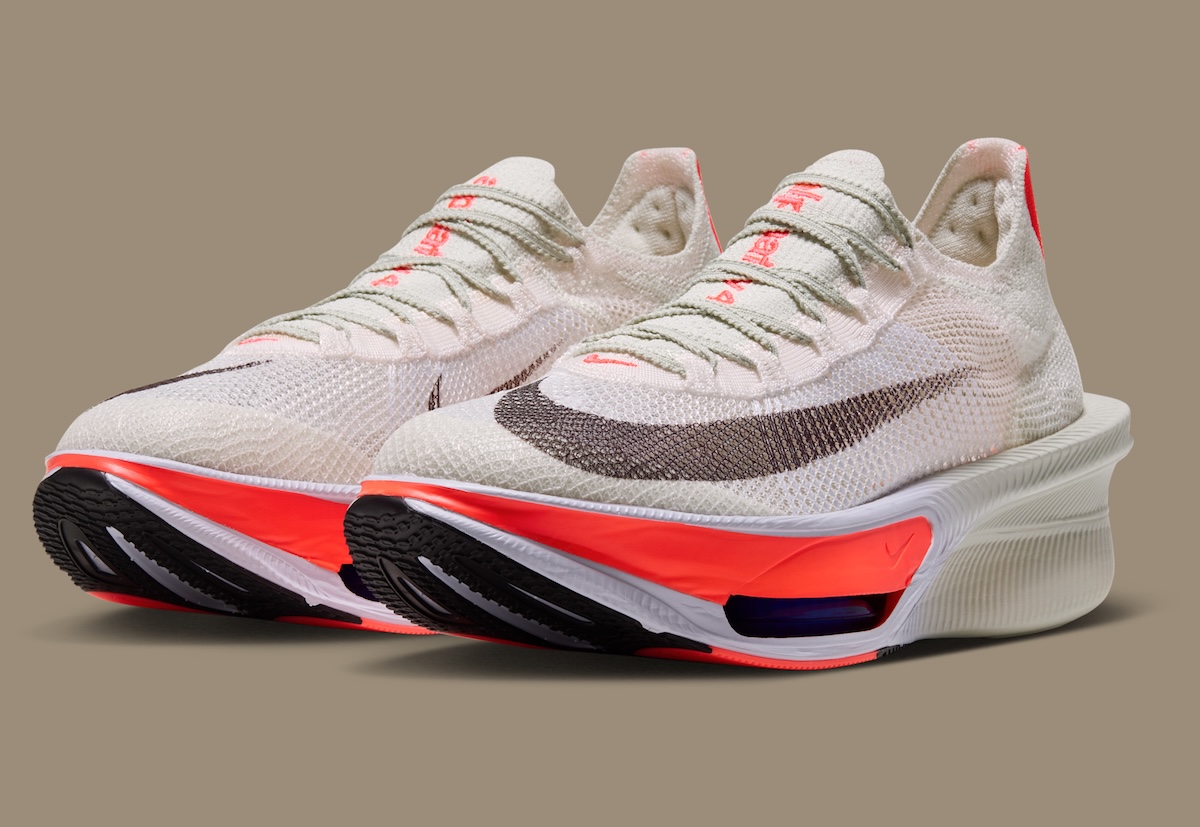
Nike just pulled back the curtain on the AlphaFly 4, and the super shoe arms race just got another entrant. The SKU is IU4686-002, and while pricing has not been officially confirmed yet, expect it to land in the premium racing tier. The colorway is listed as Sea Glass, Laser Crimson, Phantom, and Burgundy Ash.
If you are not deep into running shoes, here is why this matters. Nike basically invented the modern “super shoe” category with the VaporFly in 2017. The AlphaFly line is the top of that pyramid. It is the shoe Eliud Kipchoge wore when he broke the two-hour marathon barrier. Every iteration pushes the boundaries of what a racing shoe can do.
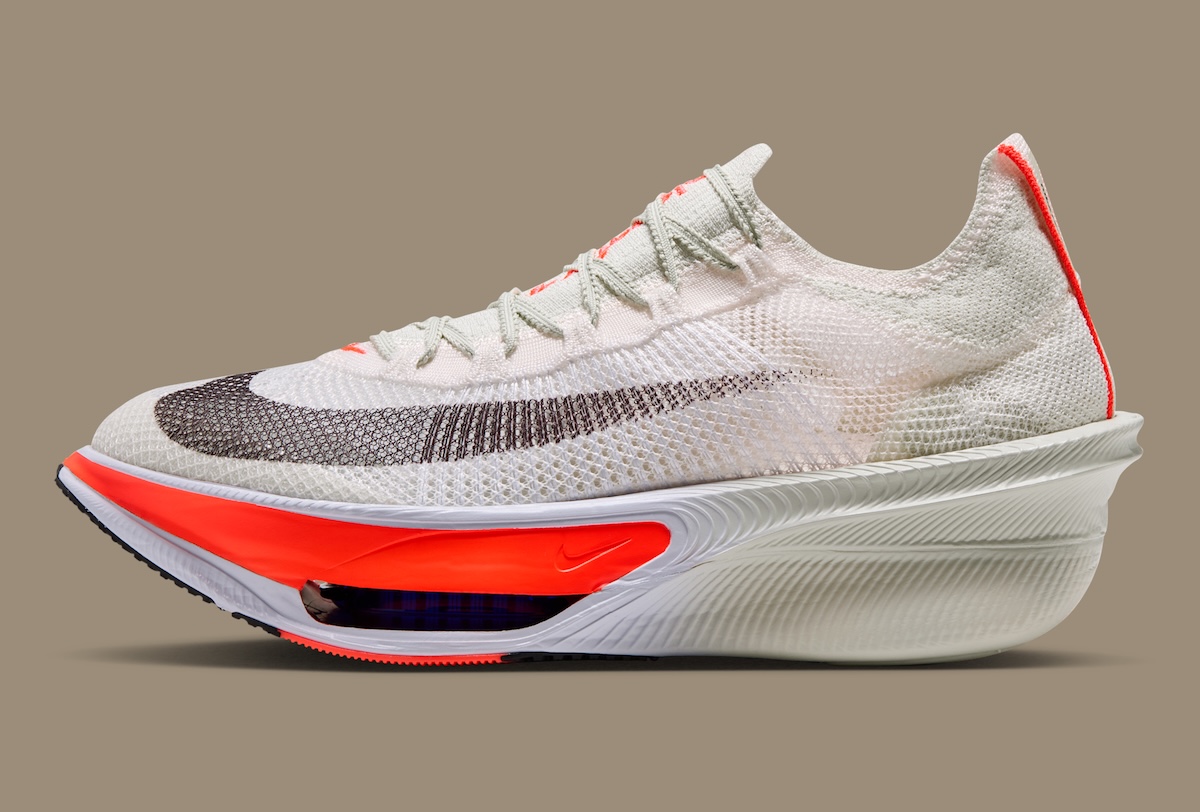
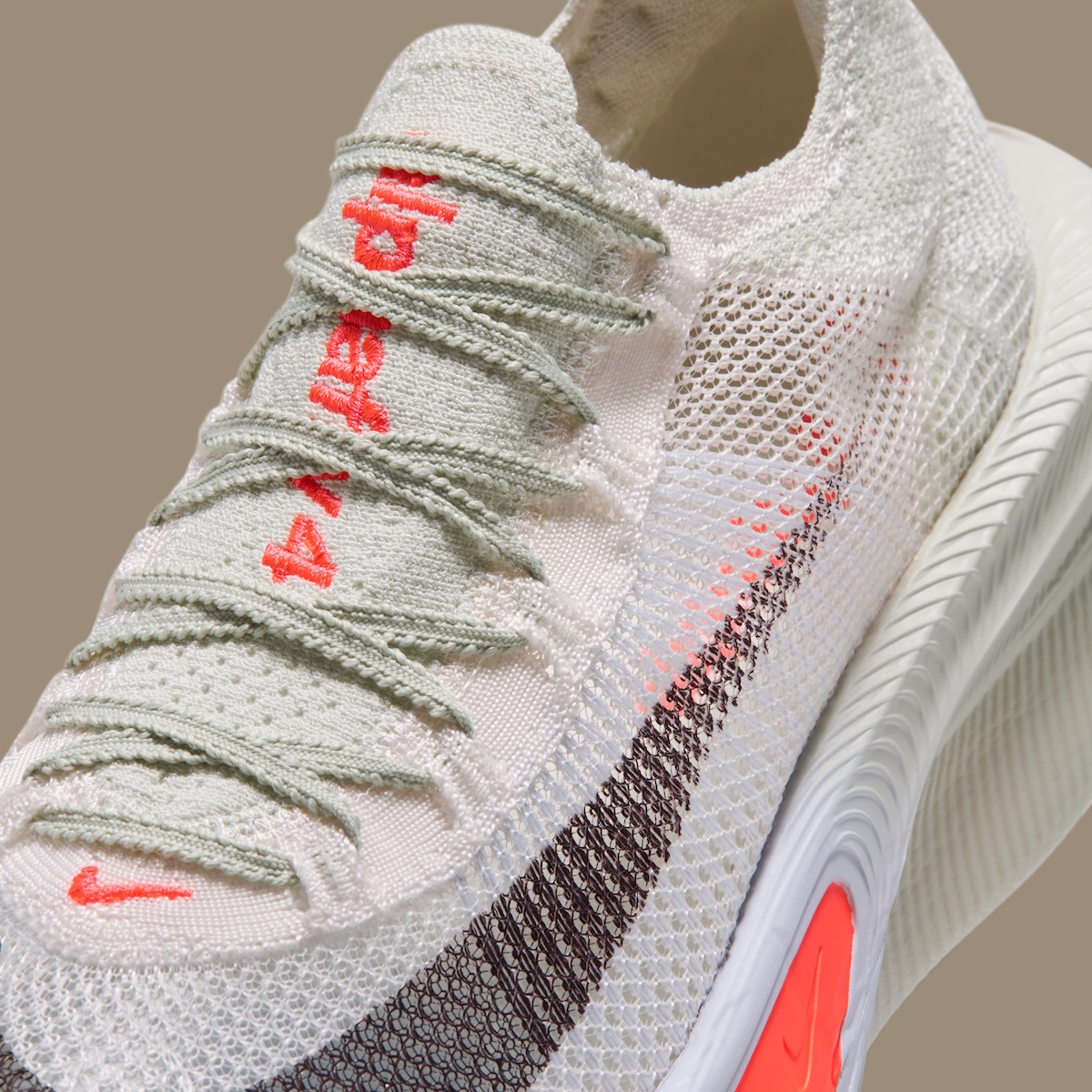
A lot of what worked on the AlphaFly 3 carries over. The Air Zoom units are still there. The carbon fiber Flyplate is still running through the midsole. Atomknit returns for the upper, which is Nike’s lightest knit construction and basically feels like a sock with structural support.
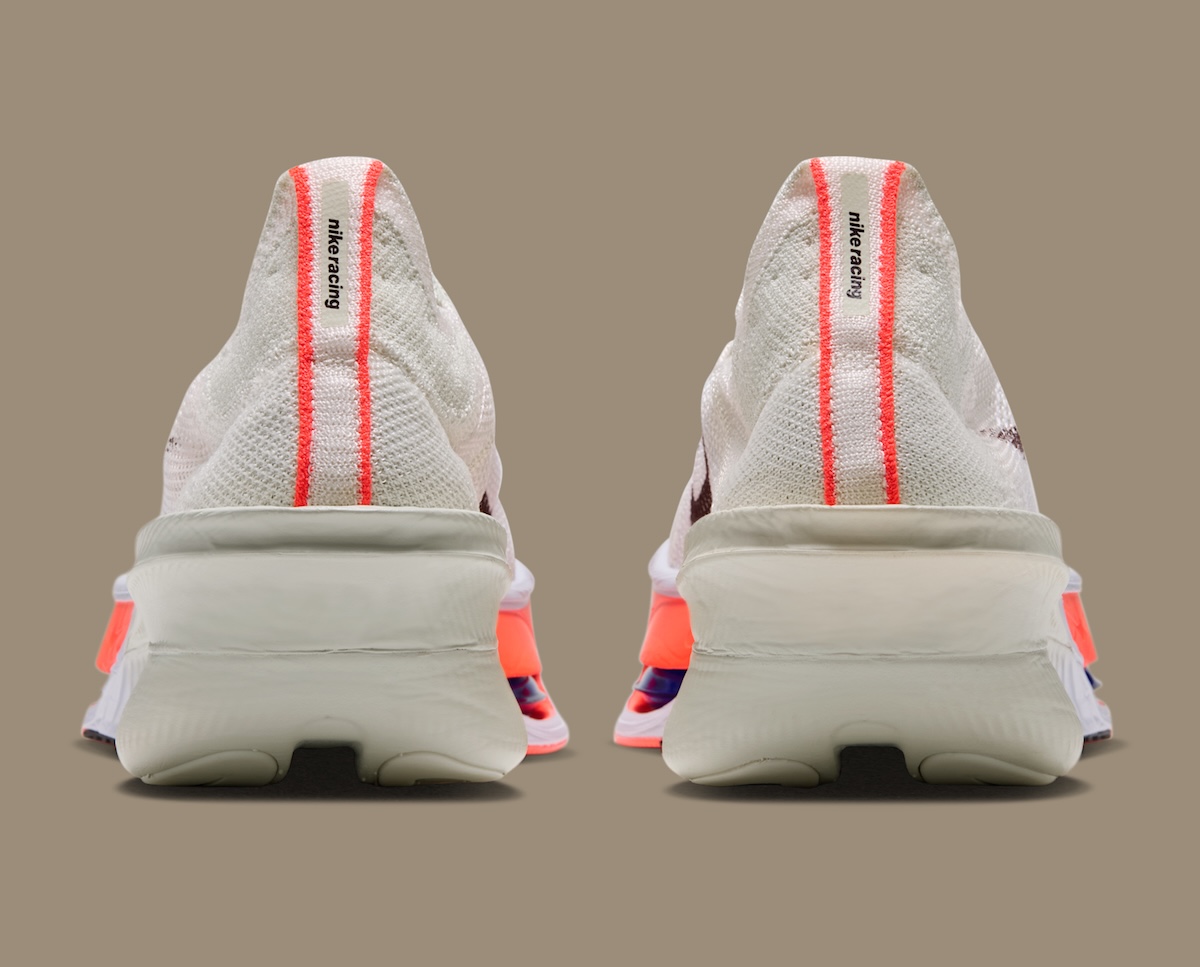
But the changes are where things get interesting. The Air Zoom units have been moved slightly forward, with larger cutouts surrounding them through the midsole. Nike also trimmed some of the foam from the previous model, which should bring the weight down without drastically changing the geometry runners are already familiar with.
The biggest update is the foam. ZoomX still handles cushioning, but Nike added ZoomX LT to the mix. That “LT” presumably stands for lightweight, which suggests a denser, more responsive version of the foam. If you have run in AlphaFly 3s, you know the cushioning is plush but the shoe is not exactly light. Trimming foam and introducing a lighter compound could fix that.
I have to say, the Sea Glass colorway is a looker. The pale teal upper with Laser Crimson accents and that Burgundy Ash on the outsole is not your typical neon running shoe aesthetic. Nike has been getting more adventurous with racing shoe colors lately, and this one stands out without being obnoxious.
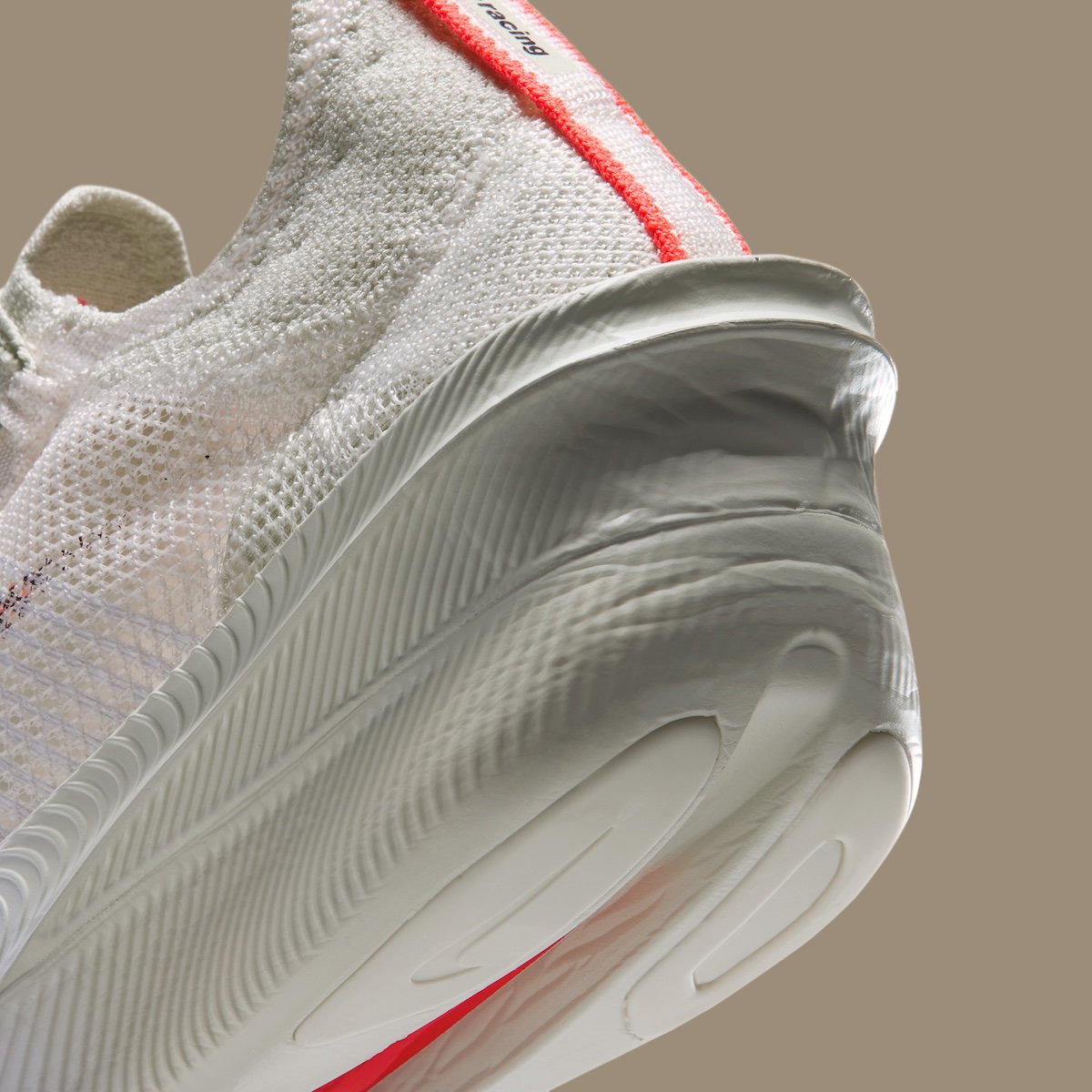
Most of the changes between the 3 and 4 are relatively small compared to the leap between earlier AlphaFly generations. The basic shape and geometry of the AlphaFly 3 carries over, which makes sense. Runners are creatures of habit. Mess with the stack height or the plate stiffness too much and you risk alienating the athletes who have been training and racing in the same platform for years.
What Nike seems to be doing here is refinement rather than revolution. Move the Air Zoom units forward for better energy return. Trim the foam for lighter weight. Introduce a new foam compound. Keep the shape and the plate and the upper system that people already trust.
That is probably the right approach. The super shoe market is crowded now. Adidas has the Adios Pro. ASICS has the Metaspeed. New Balance has the SC Pacer. Every brand is chasing the same carbon plate plus super foam formula. Nike’s advantage has always been the Air Zoom pods, which no competitor can replicate because it is proprietary Nike Air technology.
The AlphaFly 4 releases during Fall/Winter 2026 through Nike.com and select retailers. If you are a marathon runner looking for your next race day shoe, this is worth paying attention to. If you are a sneaker collector who never runs more than a 5K, well, the Sea Glass colorway might still tempt you.
The AlphaFly line has always occupied a strange space in sneaker culture. It is a serious performance tool designed for elite marathoners, but it has also become a status object. You see them on the feet of people who have never entered a race. There is something funny about that, but I also get it. The technology in these shoes is genuinely impressive, and wearing them feels like having a piece of the future on your feet.
Whether the AlphaFly 4 is enough to pull runners away from the AlphaFly 3, which is still one of the best racing shoes on the market, remains to be seen. But Nike did not get to the top of the super shoe mountain by standing still.